Guides
Tree removal permit rejected?
Council may need clearer evidence or documentation. Find out what to check in its response and what to prepare next.
A tree removal permit report can help explain whether removal is justified.
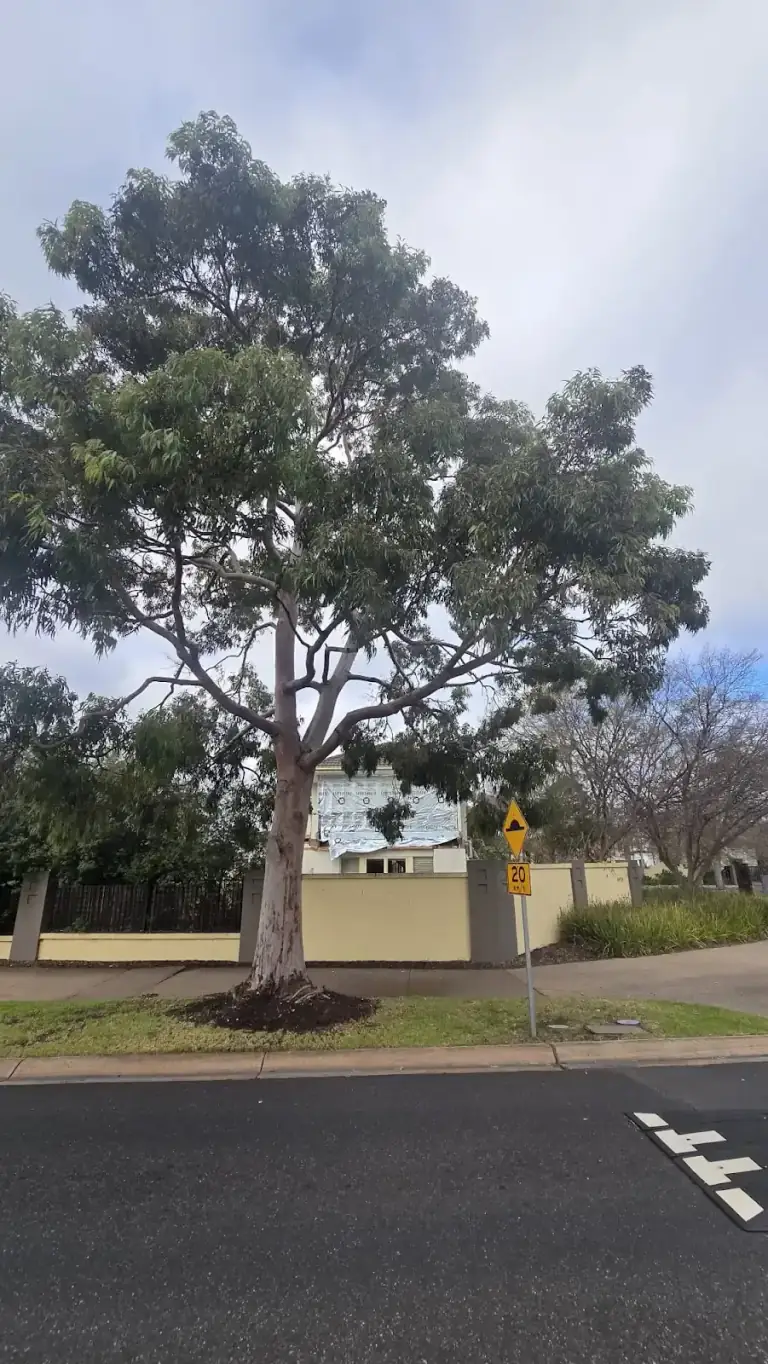
Was it rejected or just delayed?
Read the council response carefully. There is a big difference between:
- a formal refusal
- a request for further information
- an incomplete application
- a request for expert evidence
- a condition you disagree with
- a request to redesign around the tree
Some councils pause assessment until more information is provided. For example, Boroondara Council may request further information after reviewing supporting material.
What council usually needs next
1. A clearer arborist report
One of the most common issues is that the application does not explain the tree properly. A strong arborist report usually identifies:
- tree species, size, health and structure
- site context and visible defects
- photos and retention value
- the reason removal is recommended
Greater Dandenong Council says an arborist report should include species, diameter, height, health, structural condition, retention value, photos and recommendations, and must clearly demonstrate the need to remove the tree.
Learn more about tree removal permit reports.
2. Better evidence of risk or poor condition
Council usually needs evidence that the tree is dead, declining, structurally compromised, unsafe, causing damage, or unsuitable for retention. If safety is the main concern, a tree health and safety assessment may be needed rather than just photos.
3. Photos and a site plan
Council needs to understand where the tree is and what problem it is causing. A useful application should include:
- clear photos of the whole tree
- close-ups of defects, damage, decay, cracks, roots or lifted surfaces
- a site plan or aerial image showing tree location
- labels if there is more than one tree
- the relationship between the tree, house, driveway, fence, pipes or proposed works
Boroondara Council asks applicants to include a site plan, photos and expert reports where relevant.
4. Proof of property damage
If removal is because of damage to a house, driveway, wall, plumbing or other structure, council may need more than an arborist opinion. Supporting evidence might include a plumber's report, structural engineer's report, photos of the damage, proof that roots are involved, repair quotes, or evidence of recurring damage.
Bayside Council may require both an arborist report and a licensed plumber or structural engineer report where the tree is said to be damaging plumbing or infrastructure.
5. A stronger planning reason
If the tree is being removed because of building works, a tree impact assessment may be more suitable than a simple removal report. It can explain:
- where proposed works sit in relation to the tree
- whether works enter the Tree Protection Zone
- whether the tree can be retained
- what design changes may reduce impact
- whether removal is justified
- what tree protection measures are needed during construction
Yarra Ranges Council notes that works near trees may require an arborist report, especially where protected trees or Tree Protection Zones are involved.
6. Replacement planting or canopy response
Even if removal is supported, council may require replacement planting. Victoria's Clause 52.37 canopy tree rules include replacement canopy tree requirements in many applications. A practical replacement plan can help council understand how canopy loss will be managed.
Common reasons tree removal permits get refused
- the tree is protected by a local law, overlay or planning control
- the tree appears healthy or retainable
- the application does not include enough evidence
- the reason for removal is not strong enough
- the tree contributes to neighbourhood canopy or landscape character
- damage has not been proven
- the proposed development could be redesigned
- the report does not address council's decision criteria
- replacement planting has not been properly considered
Different councils have different rules. Check your council's tree permit page and the property's planning controls.
Should you appeal or reapply?
If council has only asked for more information, respond with the missing documents rather than starting again. If council has formally refused the permit, you may be able to appeal. For planning permit decisions, VCAT can review some council planning decisions. For local law tree permits, the review process may be different. Boroondara Council has its own appeal process for Tree Protection Local Law decisions.
Before appealing, check whether the refusal can be solved with better evidence. A fresh arborist report, damage report, site plan or revised recommendation may be more practical than going straight to a formal review.
Tree Permit Rules Vary by Council
Rejected or delayed tree permit applications often come down to council-specific requirements. Council may need precise trunk measurements, confirmation that the tree is not listed on a Significant Tree Register, evidence about works inside the Structural Root Zone (SRZ) or Tree Protection Zone (TPZ), or an arborist report prepared by an AQF Level 5 or higher arborist.
For example, some councils use trunk circumference thresholds, some protect listed significant trees, and some require an arboricultural assessment before removal can be considered. A revised tree removal permit report or tree impact assessment can help respond directly to council's decision criteria.
Council requirements can change, and exemptions may apply. Always check the relevant council requirements for the property address before pruning, removing, or working near protected trees.
What to send an arborist after a rejected permit
- the council refusal or request for information
- the original application and any previous arborist report
- photos of the tree, damage or defects
- the property address and council name
- plans or drawings if building works are involved
- any deadlines from council
This helps the arborist work out whether you need a revised removal report, a health and safety assessment, an impact assessment, or another expert report.
Need help responding to council?
Arbor Analytics prepares council-ready arborist reports for tree removal permit applications across Melbourne. We can review the council response, inspect the tree, and prepare clear documentation that explains the tree condition, site context, removal justification and practical next steps.
Get a quote and have the council letter ready for follow-up.